
Find Litchfield County Warrant Records
Litchfield County warrant records cover the state's northwestern corner with 26 municipalities and approximately 185,000 residents. The judicial system in this county processes arrest warrants, bench warrants, and other court orders through the Litchfield Judicial District in Torrington. You can search for these records online through state portals or visit the courthouse in person. Local police departments throughout the county also maintain active warrant information for their jurisdictions. Understanding where to look makes finding warrant records in Litchfield County straightforward and efficient.
Litchfield County Quick Facts
Litchfield Judicial District and Warrant Records
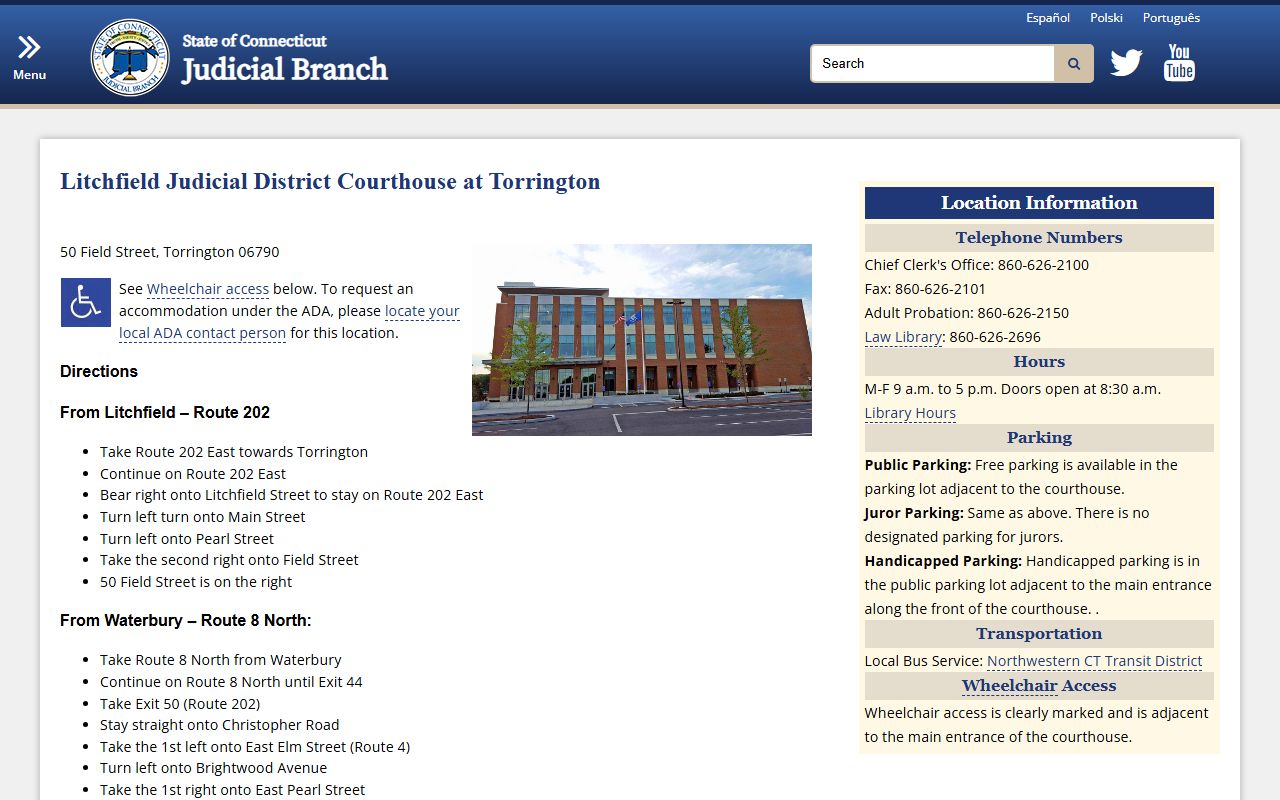
The Litchfield Judicial District serves all 26 municipalities in Litchfield County. The courthouse sits at 50 Field Street in Torrington. This location handles all major criminal cases and warrant proceedings for the county. You can contact the court at (860) 567-0885 for warrant information. The judicial district covers towns from Torrington and New Milford to smaller communities like Cornwall and Norfolk.
Arrest warrants in Litchfield County originate from this courthouse. Judges review probable cause evidence before issuing warrants. Each warrant contains the suspect's name, charges, and bond amount. Bench warrants also flow from this court when defendants miss scheduled hearings. Under Connecticut Code Sec. 54-2a, these orders remain active until the person appears before a judge. The court processes dozens of warrant-related matters weekly.
The geographical area court in Bantam handles initial proceedings. GA-18 Bantam sits at 80 Doyle Road and can be reached at (860) 567-3942. This court processes arraignments and bail hearings for arrest warrants. Many warrant matters start here before moving to the main judicial district. The Bantam location provides easier access for residents in the northern part of Litchfield County. Note: Call ahead to confirm hours before visiting either court location.
Searching Litchfield County Warrant Records Online
The Connecticut Arrest Warrant Search Portal covers Litchfield County warrants. This free tool lets you search by name, town, or court location. You can look up Failure to Appear warrants, Violation of Probation warrants, and Orders to Incarcerate. The portal operates 24 hours a day. Results show warrant details including the issuing court and date.
For broader searches, use the Criminal Case Look-up System. This tool tracks arrest warrants, convictions, pending cases, and daily dockets. You can follow case status from initial warrant through resolution. The system covers all Connecticut courts including Litchfield County. Searches work by defendant name or case number.
Online warrant searches save time. You avoid trips to the courthouse. Results appear instantly. The tools work from any device with internet access. Litchfield County residents can check warrant status from home. Out-of-state family members can search for loved ones. The portals receive updates as courts process new warrants.
Litchfield County Law Enforcement and Active Warrants
Local police departments enforce warrants across Litchfield County. The Torrington Police Department serves as the largest municipal agency. They can be reached at (860) 489-2000. Officers here execute warrants for Torrington and assist other departments. The department maintains records of active warrants for city residents.
State Police Troop B covers much of Litchfield County. Their barracks handles calls for smaller towns without full-time police. Reach Troop B at (860) 626-7900. Troopers execute warrants throughout the region. They work closely with the PRAWN system to check for active warrants during traffic stops and investigations. This statewide network connects all law enforcement agencies in Connecticut.
Each town in Litchfield County has its own approach to warrant information. Some post active warrant lists online. Others require phone calls or in-person visits. Departments in New Milford, Winchester, and Thomaston field regular warrant inquiries. Under Connecticut General Statutes, warrant records remain public documents with limited exceptions.
When police execute a warrant, they follow specific procedures. Officers must verify the warrant through PRAWN before making an arrest. They must inform the person of the charges. Defendants receive paperwork showing the warrant details. The arresting agency then transports the person to the appropriate court or detention facility.
Litchfield County Towns Covered by Warrant Records
The Litchfield Judicial District serves 26 municipalities across the county. Major population centers include Torrington, New Milford, and Winchester. Smaller towns like Sharon, Cornwall, and Goshen also fall under this jurisdiction. Each town contributes cases to the county's warrant records. The geographic spread makes the centralized courthouse in Torrington essential for efficient judicial administration.
The court's service area includes Barkhamsted, Bethlehem, Bridgewater, Canaan, Colebrook, Cornwall, Goshen, Hartland, Harwinton, Kent, Litchfield, Morris, New Hartford, New Milford, Norfolk, North Canaan, Roxbury, Salisbury, Sharon, Thomaston, Torrington, Warren, Washington, and Winchester. This coverage ensures all Litchfield County residents access the same judicial resources. Warrant records from any of these towns flow through the Torrington courthouse.
Rural character defines much of Litchfield County. State Police coverage supplements local departments in many areas. This arrangement affects how warrants get served in remote locations. Troopers often travel significant distances to execute warrants. The PRAWN system helps coordinate these efforts across jurisdictions.
Types of Warrants in Litchfield County
Arrest warrants dominate Litchfield County warrant records. Police request these when investigations produce probable cause. Judges at the Torrington courthouse review the evidence. Approved warrants contain names, charges, dates, and bond amounts. Arrest warrants stay active until served or recalled.
Bench warrants address court attendance failures. Under Connecticut Code Sec. 54-2a, judges issue these orders when defendants miss hearings. The warrants apply to criminal cases, motor vehicle matters, and infractions. Bench warrants remain in effect until the person appears before the court. Many Litchfield County residents discover these warrants during routine traffic stops.
Failure to Appear warrants specifically target missed court dates. Violation of Probation warrants apply when probation terms get broken. Search warrants authorize property searches under Connecticut Code Sec. 54-33a. These require probable cause and specific timeframes for execution. Governor's warrants under Sec. 54-163 handle interstate extradition matters.
Orders to Incarcerate direct delivery to correctional facilities. These apply to unpaid fines or prison sentences. Litchfield County courts issue OTIs regularly. Each type of warrant serves a distinct purpose in the justice system. Understanding the differences helps when searching records or addressing active warrants.
Note: Connecticut warrants do not expire. They remain active until resolved through arrest, court appearance, or judicial recall.
Addressing Active Warrants in Litchfield County
Finding an active warrant requires prompt attention. Start by verifying the warrant through official sources. Use the online portals or call the Litchfield Judicial District. Confirm the charges, bond amount, and issuing court. This information guides your next steps.
Legal counsel helps navigate warrant situations. Defense attorneys understand local court procedures in Torrington. They can negotiate surrender terms. Many lawyers offer consultations for warrant matters. Professional guidance often leads to better outcomes than handling warrants alone.
Voluntary surrender demonstrates responsibility to the court. You may surrender at any police department in Connecticut. Bring identification and necessary medications. Dress appropriately for court. Your attorney can arrange timing to minimize jail time. Some warrants allow release on recognizance or reduced bond.
Public Access to Litchfield County Warrant Records
The Connecticut Freedom of Information Act guarantees access to warrant records. Under Connecticut General Statutes § 1-200, these documents remain public. The law presumes all government records are open unless specifically exempt. This applies to Litchfield County courts and police departments.
Agencies must respond to records requests within four business days. Copy fees are limited by law. State agencies charge maximum $0.25 per page. Other agencies can charge up to $0.50 per page. Some records may have redactions for ongoing investigations or confidential informants.
Unexecuted search warrants stay confidential under FOIA exemptions. Juvenile records receive protection. Public safety concerns may limit disclosure of certain details. The Freedom of Information Commission at 165 Capitol Avenue in Hartford handles disputes. Call them at (860) 566-5682 for access issues.
When requesting Litchfield County warrant records, be specific. Include names, dates, and case numbers if known. Contact the Clerk's Office at the Torrington courthouse for court records. Reach out to individual police departments for their warrant files. Written requests create a paper trail for your inquiry.
State Resources for Litchfield County Warrant Searches
The Connecticut Judicial Branch website provides tools beyond warrant searches. Explore court forms, procedure guides, and educational materials. The site explains how warrants work in the state system. You can find information about court operations and access policies.
The Warrant Statistics Page tracks failure to appear trends statewide. Quarterly reports show warrant patterns from 2016 through 2026. This data includes Litchfield County statistics. Researchers and journalists use this resource to understand warrant issuance trends.
VINE (Victim Information and Notification Everyday) helps track offenders and warrants. Register at vinelink.com for automated notifications. The service alerts victims about custody changes and court events. It operates 24 hours a day. Notifications come by phone, email, or text message.