
Access Connecticut Warrant Records
Connecticut warrant records document court orders for arrests, searches, and bench warrants across the state. The Connecticut Judicial Branch maintains these public records through its online portals and courthouse offices. Local police departments execute warrants and can provide information about active cases. You can search for warrant records online, visit court locations in person, or contact law enforcement agencies directly to find information about active warrants in Connecticut.
Connecticut Warrant Records Quick Facts
Where to Find Connecticut Warrant Records
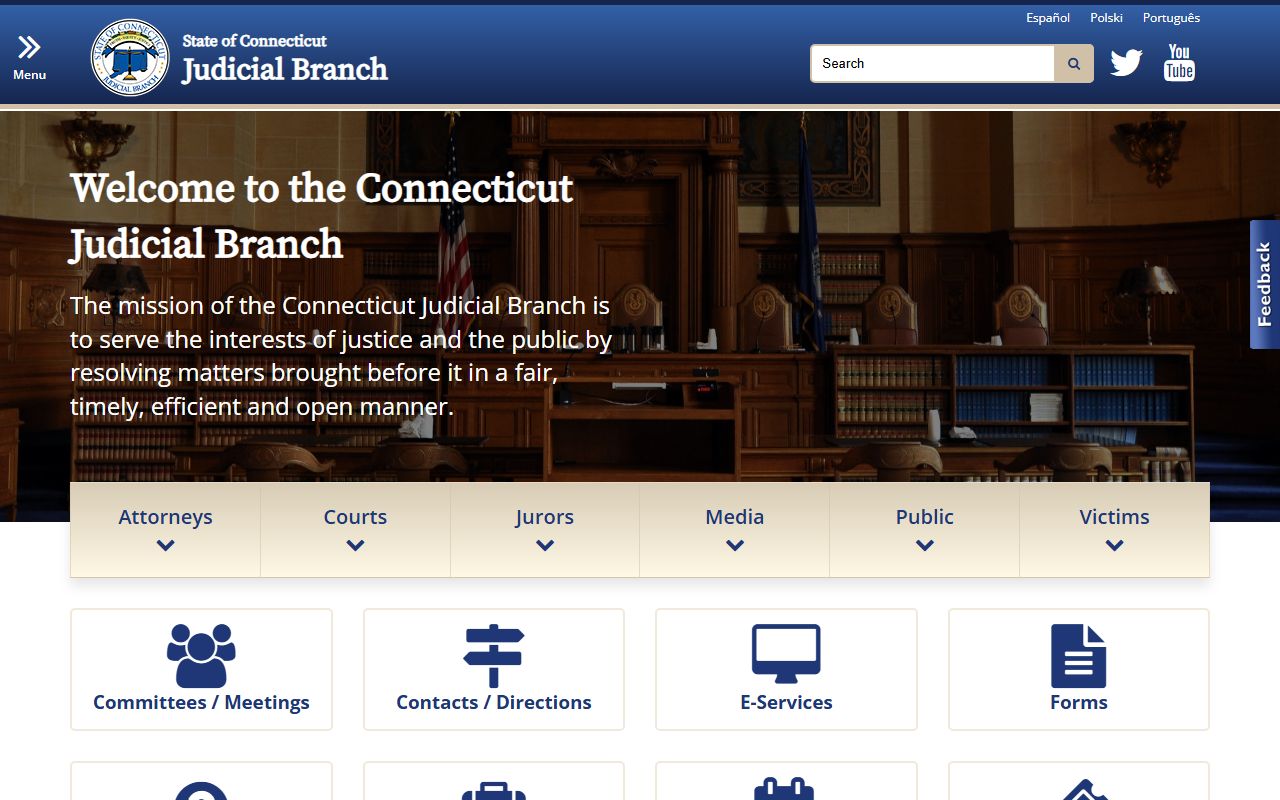
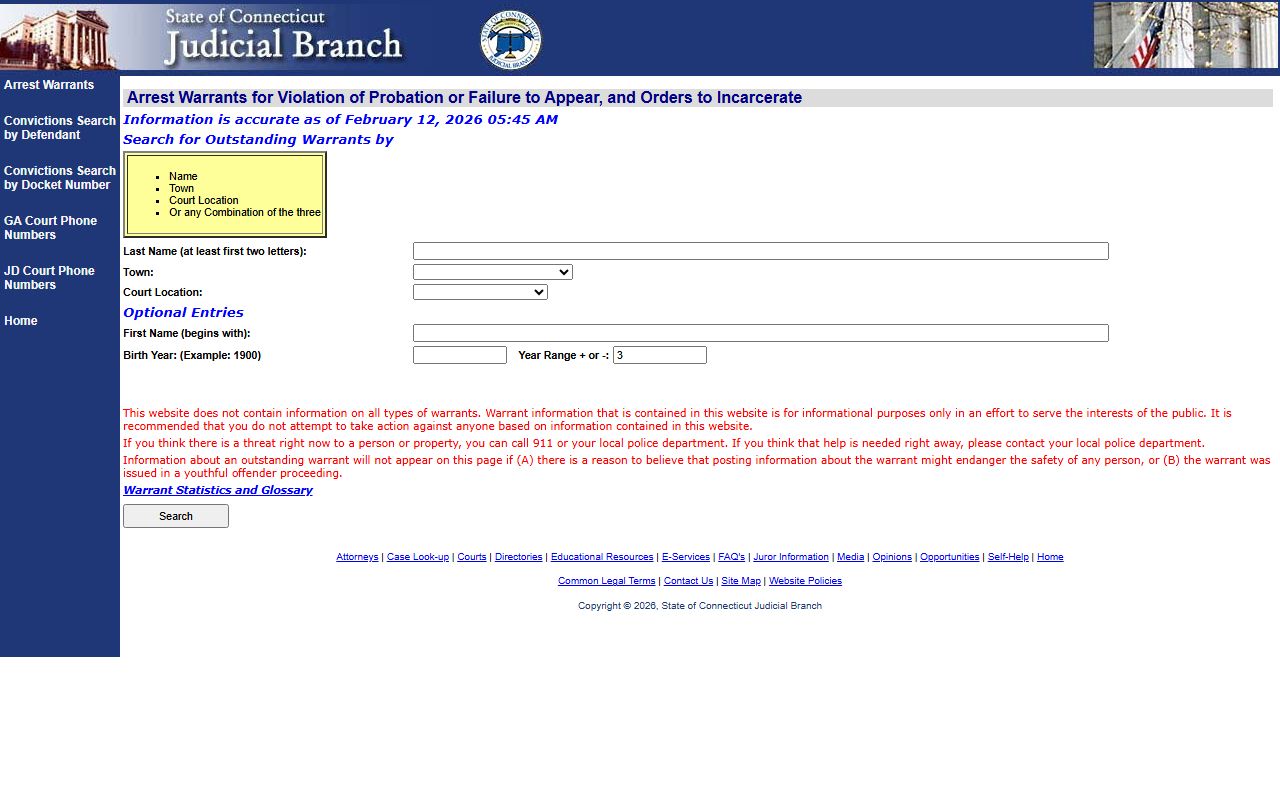
The Connecticut Judicial Branch serves as the main source for warrant records in the state. The court system issues all arrest warrants, bench warrants, and search warrants through its judges and magistrates. You can access these records through the Connecticut Arrest Warrant Search Portal. This online tool lets you look up Failure to Appear warrants, Violation of Probation warrants, and Orders to Incarcerate by name, town, or court location.
Local police departments across Connecticut maintain warrant information for their jurisdictions. Departments in Bridgeport, Hartford, New Haven, and other cities can tell you about active warrants. Some departments post warrant lists online. Others require you to call or visit in person. Under Connecticut General Statutes, warrant records are public documents with limited exceptions.
The Paperless Arrest Warrant Network (PRAWN) connects all law enforcement agencies in Connecticut. Police use this system to check for active warrants statewide. While the public cannot access PRAWN directly, officers can run warrant checks during traffic stops or other encounters.
Types of Warrants in Connecticut
Connecticut law recognizes several kinds of warrants. Each serves a different purpose in the criminal justice system. Arrest warrants allow police to take a person into custody. Judges issue them when law enforcement shows probable cause that a crime occurred. These warrants contain the suspect's name, charges, date issued, and bond amount. Arrest warrants stay active until police make an arrest or the court recalls the order.
Bench warrants address failures to appear in court. Under Connecticut Code Sec. 54-2a, judges issue these when defendants miss scheduled hearings. Bench warrants apply to criminal matters, motor vehicle cases, and infractions. They remain in effect until the person appears before the court.
Failure to Appear (FTA) warrants specifically target missed court dates. Violation of Probation (VOP) warrants apply when someone breaks probation conditions. Search warrants authorize police to search people, properties, or premises under Connecticut Code Sec. 54-33a. These require probable cause and must be executed within a set timeframe.
Governor's warrants facilitate interstate extradition under Connecticut Code Sec. 54-163. Orders to Incarcerate (OTI) direct delivery to correctional facilities for unpaid fines or prison sentences.
How to Search Warrant Records in Connecticut
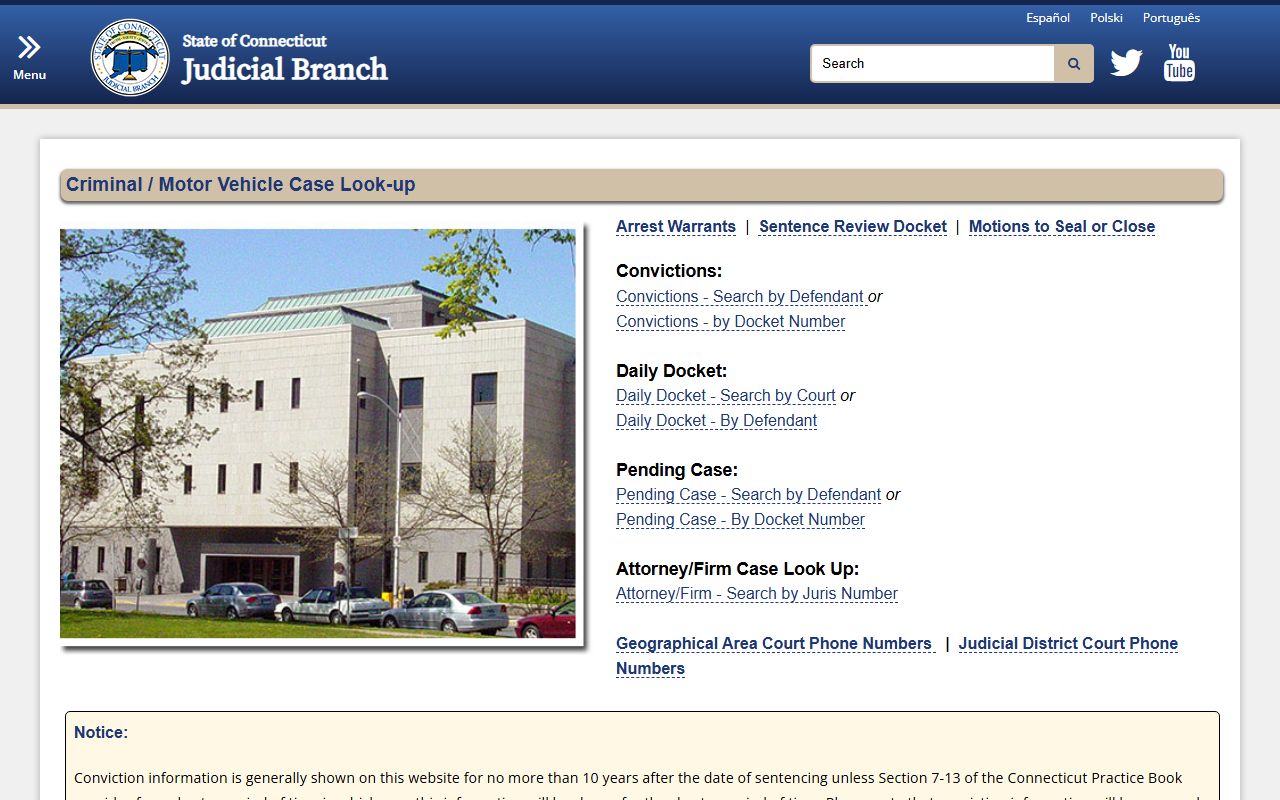
The Connecticut Judicial Branch provides online tools for warrant searches. The Arrest Warrant Search Portal covers FTA, VOP, and OTI warrants. You can search by name, town, court location, or any combination. Results show warrant details including the person's name and issuing court. This service is free and available around the clock.
The Criminal Case Look-up System offers broader search options. Look up arrest warrants, convictions, daily dockets, pending cases, and attorney records. This tool helps track case status and warrant information statewide.
Some police departments provide online warrant lists. Enfield maintains a Most Wanted page. New Haven offers arrest lookup through their Police-to-Citizen (P2C) system. Check your local department's website for online search options.
For comprehensive warrant checks, visit courts or police stations in person. Bring valid identification and any relevant case information. Staff can search records and confirm warrant status. Most agencies provide this service free during business hours.
Connecticut Judicial Districts and Warrant Records
Connecticut organizes its courts by judicial districts rather than counties. Each district handles warrants for specific towns and cities. The Bridgeport Judicial District serves Fairfield County communities including Bridgeport, Fairfield, and Stratford. Their court at 1061 Main Street processes warrants for this region.
The Hartford Judicial District covers the capital region and surrounding towns. Courts in Hartford, New Britain, and Manchester handle warrants for Hartford County residents. Contact the appropriate judicial district for warrant information in your area.
Geographical Area (GA) courts process criminal cases and warrants at the local level. These courts operate in each county. They handle arraignments, bail hearings, and initial warrant proceedings. GA courts work closely with local police departments on warrant execution.
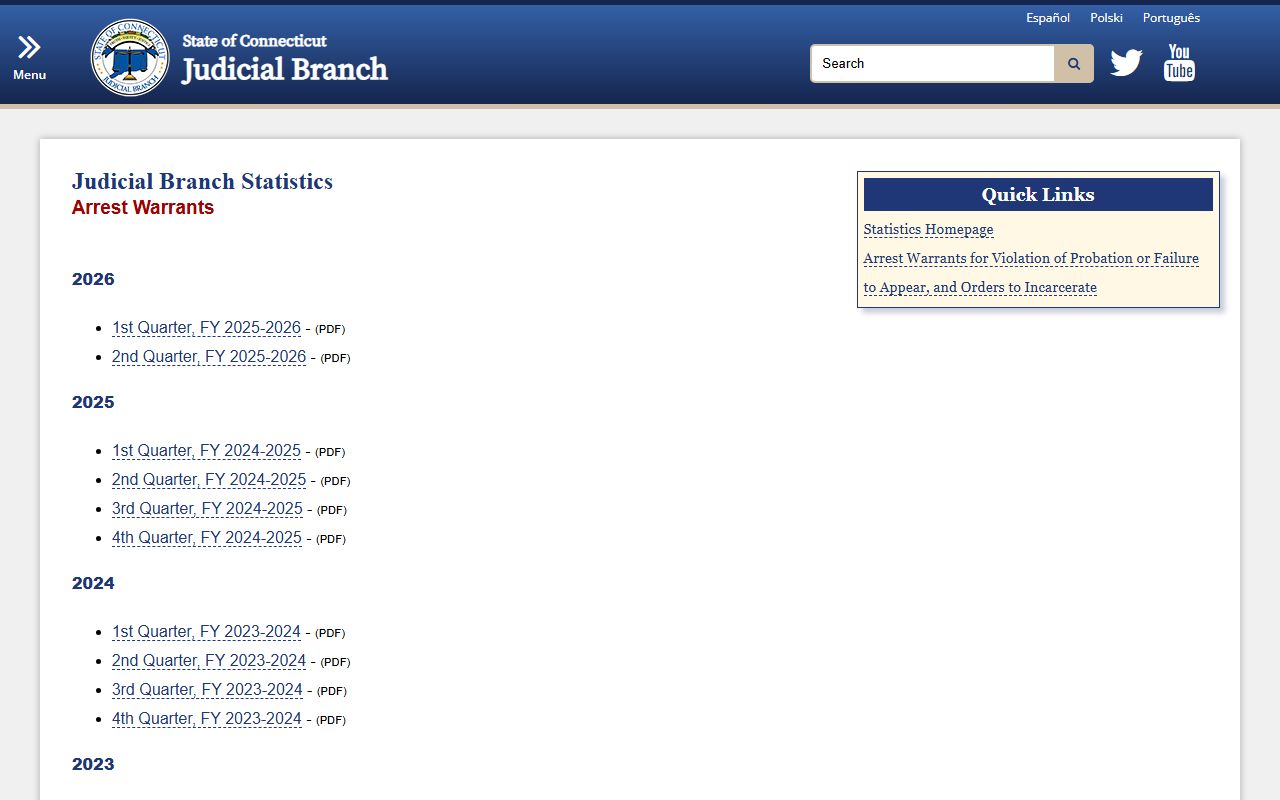
The Warrant Statistics Page publishes quarterly reports on failure to appear warrants. Data from 2016 through 2026 shows trends in warrant issuance across Connecticut. This resource helps researchers understand warrant patterns statewide.
Connecticut State Police and Warrant Information
The State Police Bureau of Identification (SPBI) maintains criminal history records including warrant information. Located at 1111 Country Club Road in Middletown, SPBI provides fingerprinting services and background checks. Hours are Monday through Friday, 8:30 AM to 4:00 PM excluding state holidays.
Criminal history checks require fingerprinting and form DPS-0846-C. Fees include $15 for fingerprinting, $75 for state criminal history, and $13.25 for federal checks. Submit requests by U.S. mail only to the address on the form.
The Department of Emergency Services and Public Protection (DESPP) oversees State Police operations. They coordinate warrant execution across multiple jurisdictions. State Police work with local departments through the PRAWN system to locate individuals with active warrants.
Connecticut Freedom of Information Act and Warrant Records
The Connecticut Freedom of Information Act (FOIA) guarantees public access to warrant records. Under Connecticut General Statutes § 1-200, all government records are presumed public unless specifically exempt. This includes arrest warrants, bench warrants, and related court documents.
Agencies must respond to FOIA requests within four business days. Copy fees are limited to $0.25 per page for state agencies and $0.50 per page for other agencies. Some warrant records may have redactions for ongoing investigations or confidential informant protection.
Exemptions apply to certain warrant-related records. Unexecuted search warrants remain confidential. Juvenile records are protected. Records that would compromise public safety may be withheld. The Freedom of Information Commission at 165 Capitol Avenue in Hartford handles disputes over record access.
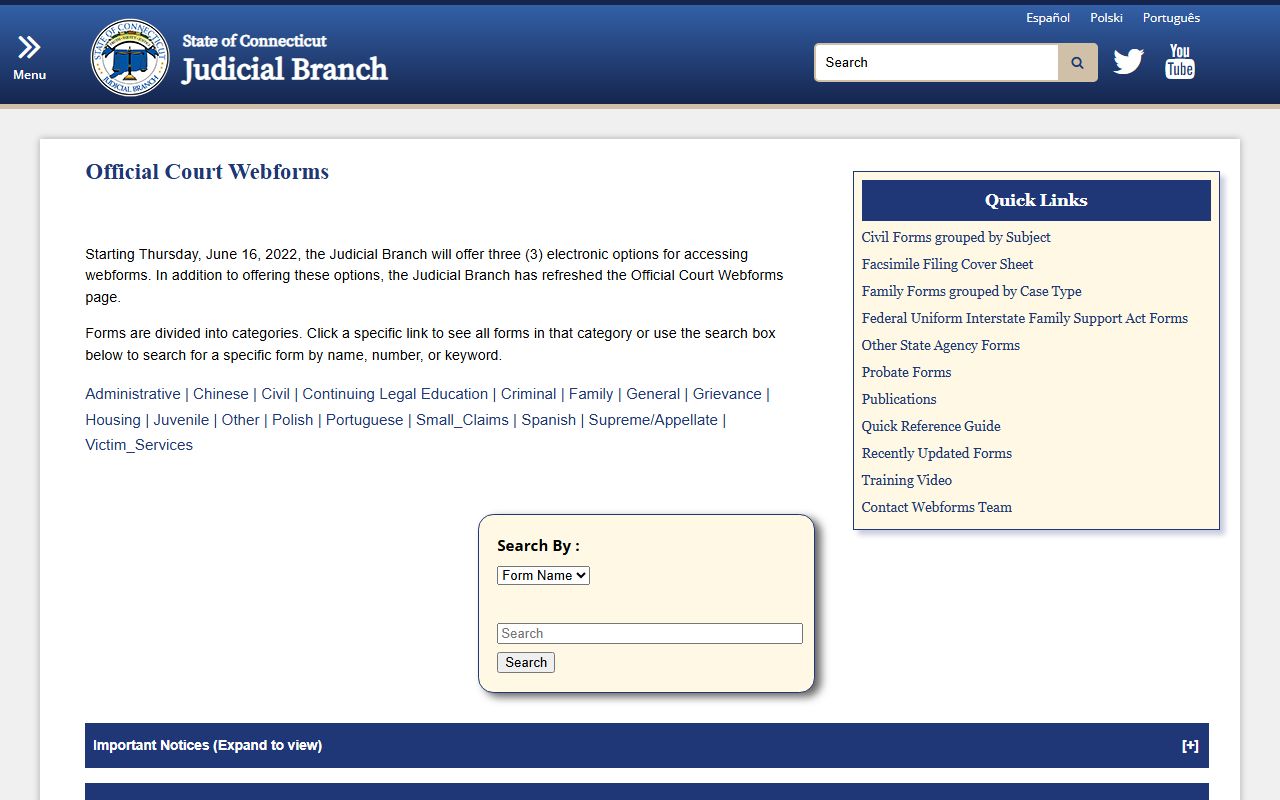
Note: While most warrant records are public, some details may be redacted to protect ongoing investigations or sensitive information.
What to Do If You Have an Active Warrant in Connecticut
Discovering an active warrant can be stressful. The first step is verifying the warrant exists. Use the online portals or contact the court directly. Confirm the charges, issuing court, and any bond amount. This information helps you understand the situation.
Consult with a criminal defense attorney before taking action. Lawyers can advise on the best approach for your specific case. They may negotiate a surrender that minimizes jail time. Many attorneys offer free initial consultations for warrant matters.
Under Connecticut law, individuals may voluntarily surrender at any law enforcement agency. This often looks better to the court than being arrested unexpectedly. Bring identification and any medications you need. Dress appropriately for court appearances.
Prepare financially for possible bond requirements. Some warrants require cash bail before release. Others may allow release on recognizance. Your attorney can explain what to expect and help arrange bail bonds if needed.
Victim Notification and Warrant Tracking
VINE (Victim Information and Notification Everyday) helps crime victims track offenders and warrant status. This free service provides automated notifications about court events and custody changes. Register at vinelink.com to receive phone, email, or text alerts.
The system covers Connecticut Department of Correction facilities and many local jails. Victims can check offender status 24 hours a day. VINE alerts users when an offender is released, transferred, or has a warrant issued.
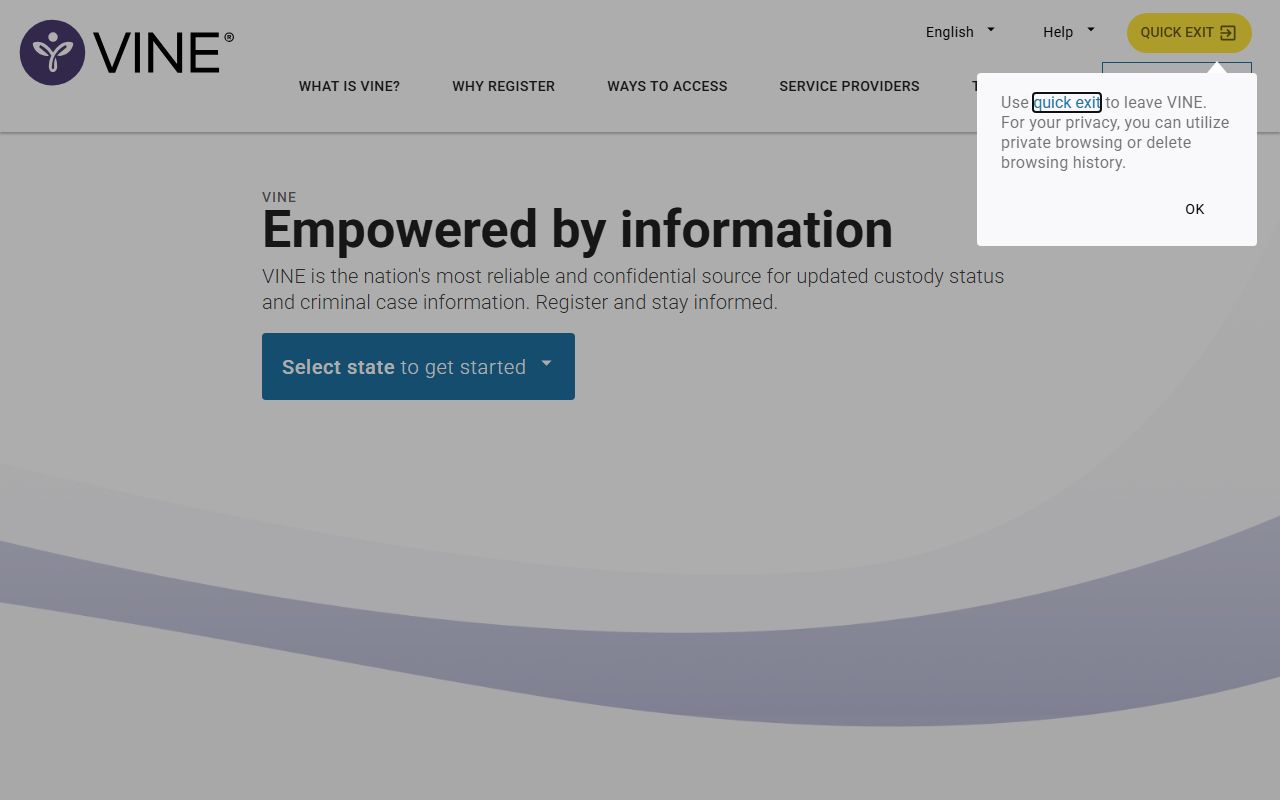
VINE also provides information about protection orders and case status. This helps victims stay informed about their cases. The service is confidential and free to use.
Browse Connecticut Warrant Records by County
Each of Connecticut's eight counties has judicial districts and police departments that handle warrant records. Select a county below to find local resources and contact information for warrant searches in that area.
Warrant Records in Major Connecticut Cities
Police departments in Connecticut's largest cities maintain warrant information for their jurisdictions. Choose a city below to learn about local warrant search resources and law enforcement contacts.